
The Life and Death of Bloody the Dog
Die, My LoveThis subplot traces the stray dog's adoption, suffering and killing, and its lingering presence in the narrator's life.
increasing Bearing strength in each event
 decreasing
Bearing strength in each eventdecreasingThe Stray on the Road
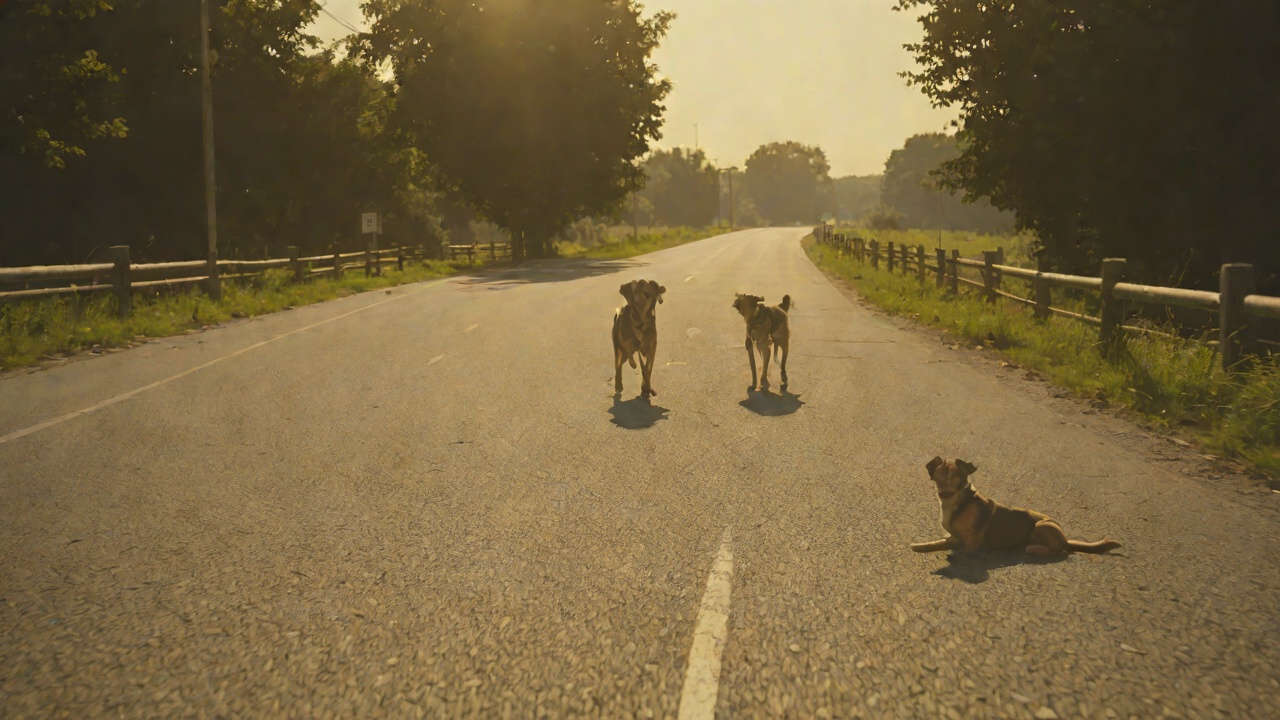
The Stray on the Road
Context
The narrator and her husband find a dog lying in the middle of the road on the way back from the supermarket. The husband insists on adopting it, though the narrator never wanted a dog.
Turn
The dog enters the family without a name and immediately begins to mark the house as its own. The narrator calls it Dog and would leave it at that.
Aftermath
The dog becomes a point of tension between the couple. It is both a living creature and a symbol of the husband's sentimental demands.
The Dog Pisses Under the Table
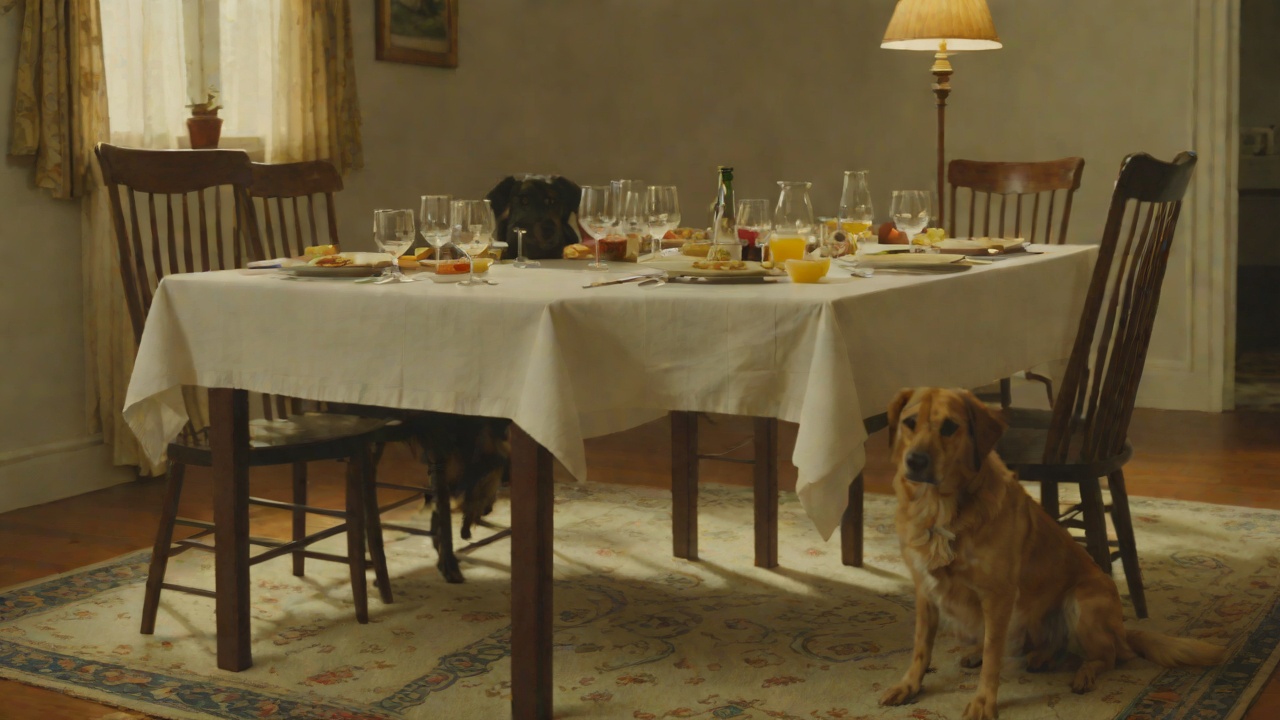
The Dog Pisses Under the Table
Context
The dog comes to piss under the dinner table while the narrator sits immobilized with her trousers unbuttoned. The dog tugs at the tablecloth and breaks her glass.
Turn
The husband wakes, sees the puddle and broken glass, and asks what is wrong. He sweeps up, nudges the dog away, and the narrator stays seated, refusing to move.
Aftermath
The argument shifts from the dog to the narrator's failure to run the house. The dog is already an occasion for marital warfare.
The Stag Collision
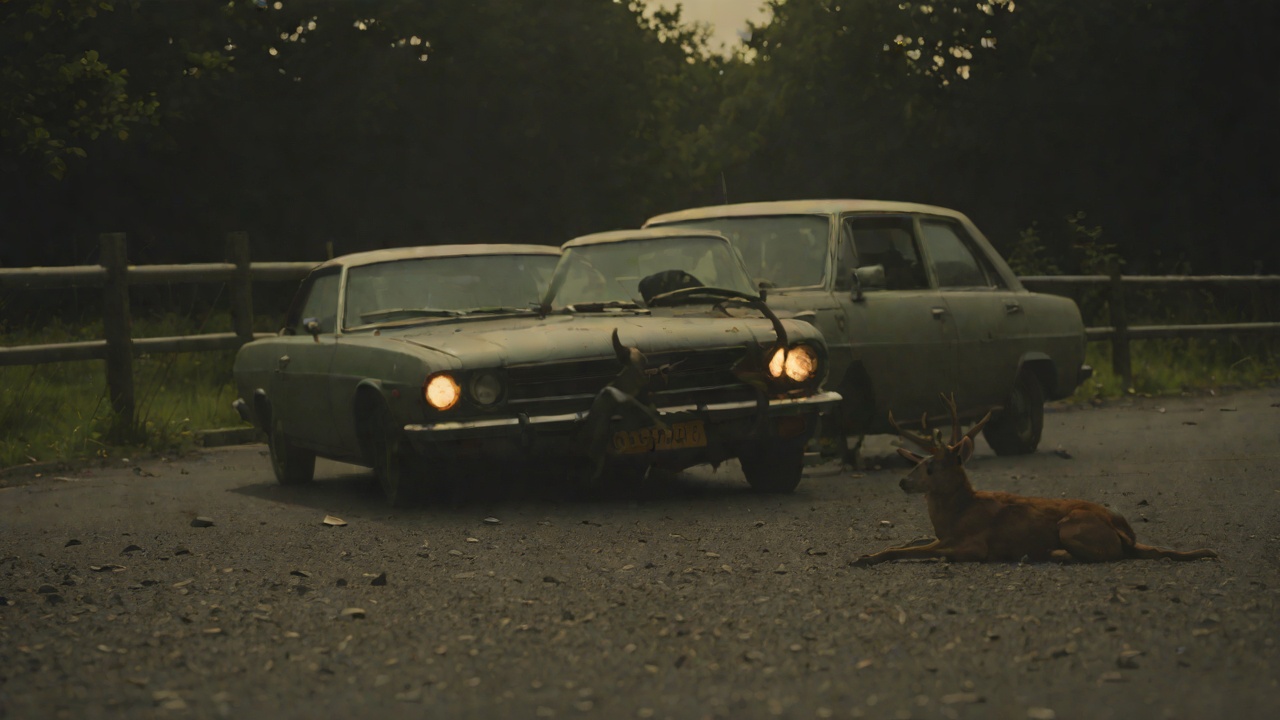
The Stag Collision
Context
During the forced night drive, a stag hits the windscreen of the car, denting the bonnet and leaving the dog whimpering. The narrator hits her forehead on the glove compartment because she forgot her seatbelt.
Turn
The dog licks the remains off the bonnet and shakes its head when the job is done. They christen it Blood, in English, and then call it Bloody.
Aftermath
The collision wounds the dog, who will limp and cry from then on. The stag's accident, like the dog's naming, marks the night the marriage takes a violent turn.
The Gun in the Kitchen
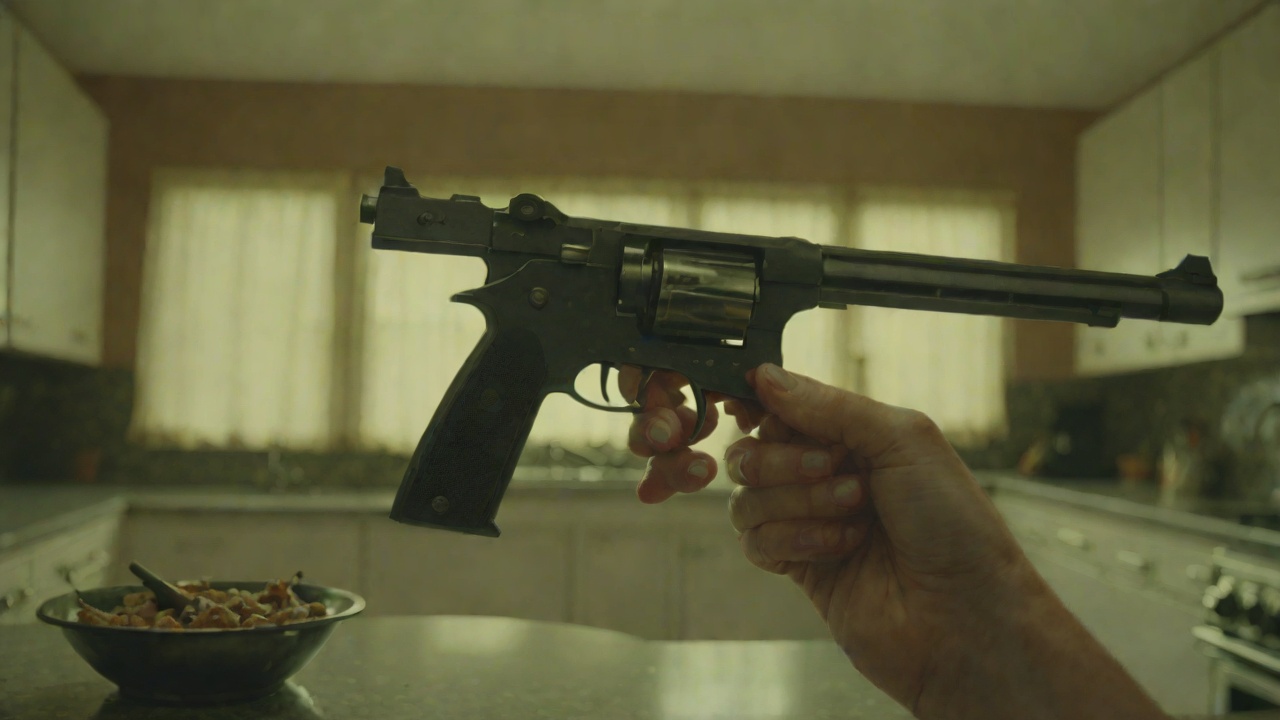
The Gun in the Kitchen
Context
Bloody's crying echoes through the house, driving the narrator crazy. She goes to her mother-in-law's house, finds the rabbit-paw keyring and takes her dead father-in-law's shotgun.
Turn
She aims at her husband and says kill him, meaning the dog, but he refuses. In the kitchen corner she points the gun at the sobbing animal and pulls the trigger for the first time in her life.
Aftermath
The killing is both mercy and murder, an eruption of the narrator's violence into the family home. Bloody's death becomes one of the central crimes of the book.
The Mound in the Garden
The Mound in the Garden
Context
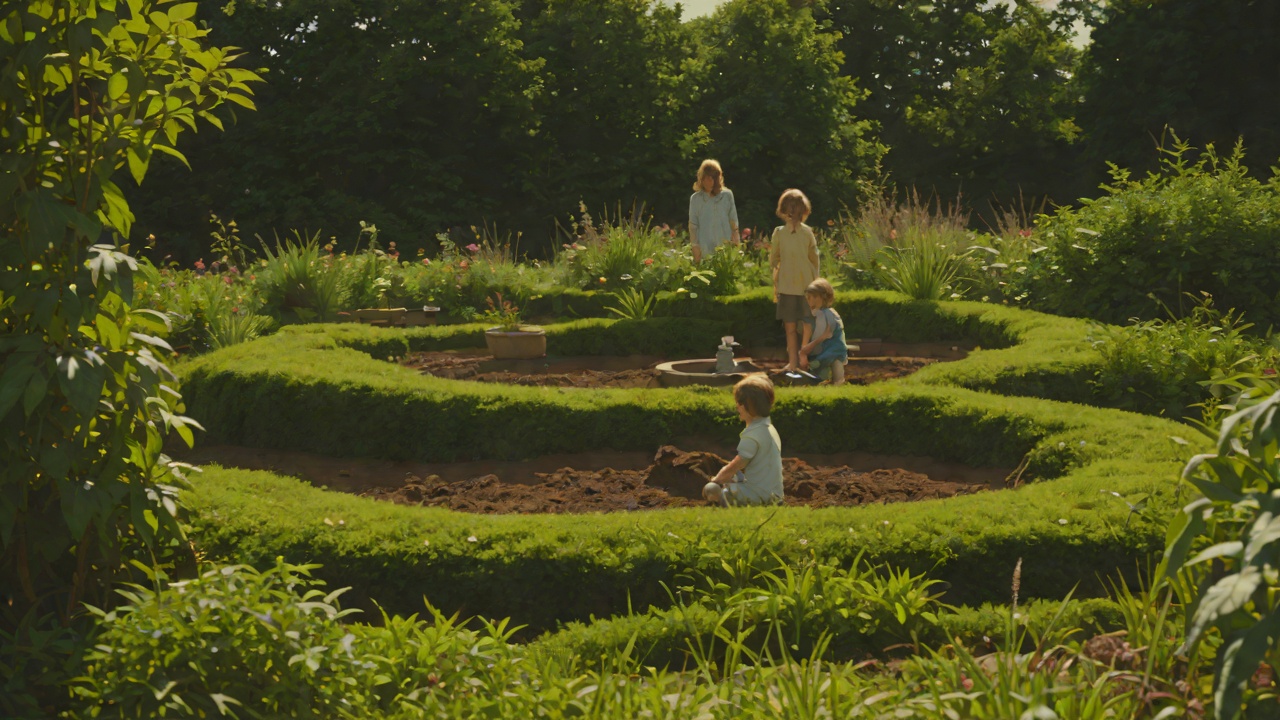
During the son's second birthday party, the narrator's gaze falls on a mound of earth in the garden. She remembers that Bloody was buried there only at noon, after a whole night with a bullet in him.
Turn
The children skip over the makeshift grave, singing and holding hands. The dog's entrails are still present in her memory, and his tooth sinks into her as she looks.
Aftermath
The party collapses into the narrator's drive to escape. Bloody's grave becomes the hidden foundation of the family's public happiness.
after a trip to the supermarket
an evening not long after the adoption
during the ultimatum drive, late at night
dawn, after the dog's suffering becomes unbearable
at the son's second birthday party
